

Sensory Materials in Products. Why Touch Matters More Than Ever in 2026
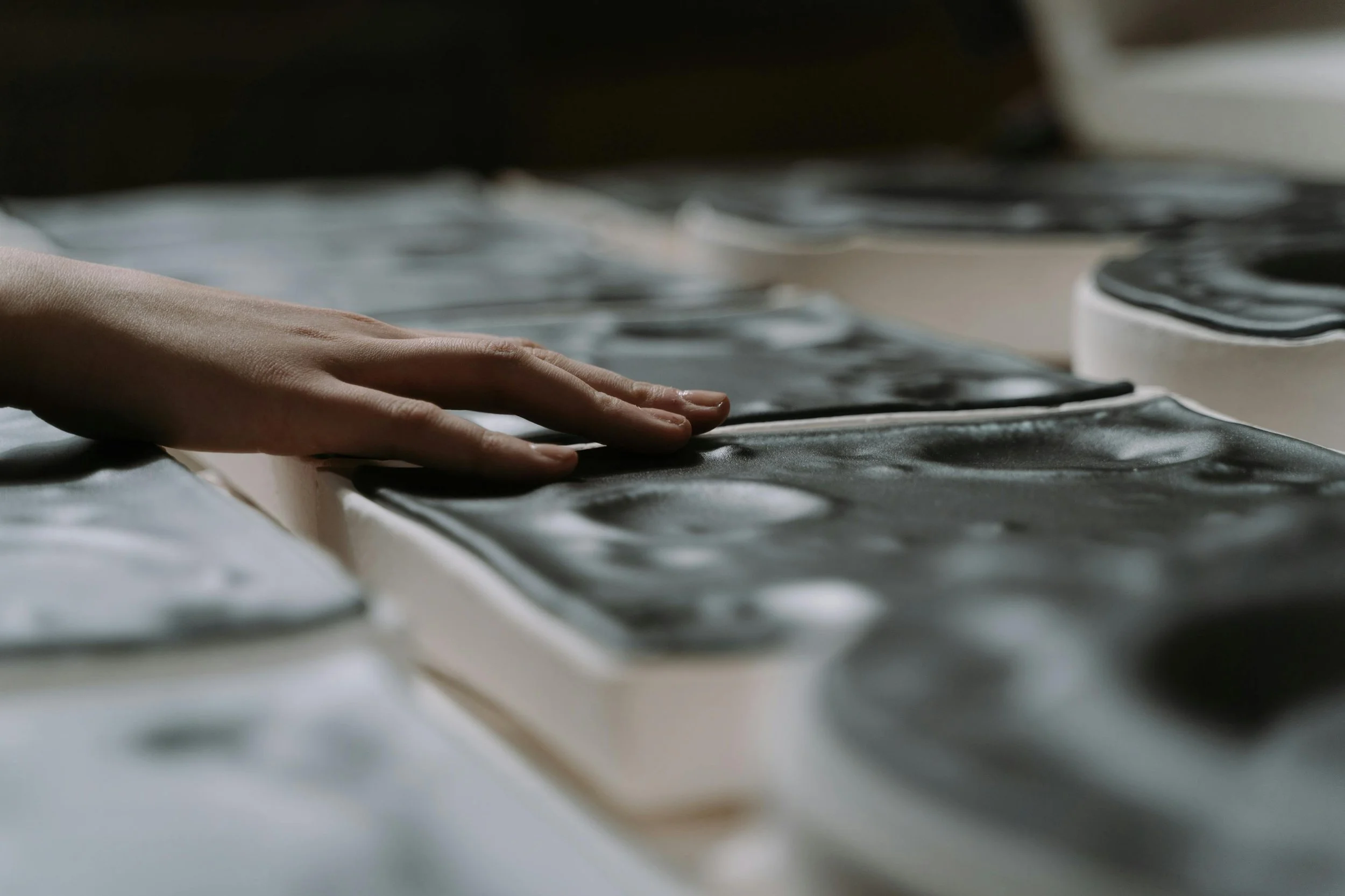
Today, design has moved well beyond how a piece looks. Both consumers and manufacturers are increasingly focused on how it feels - under hand, underfoot, and in the way it softens sound and shapes the emotional atmosphere of a space. This shift toward sensory design is a strong reaction against years of sleek, cold minimalism and fast, disposable products.
As a CMF designer with over a decade of experience in consumer goods, I’ve seen firsthand how powerful the right material and finish choices can be. Materials are now selected not only for durability and cost, but also for their ability to engage the senses, evoke emotion, support well-being, and create a deeper sense of comfort and authenticity.
This sensory-first approach represents one of the biggest opportunities right now for manufacturers in both the consumer goods and furniture sectors.
What Is Sensory Design?
Sensory design prioritizes tactile qualities (touch), visual depth, acoustic comfort, thermal feel, and sometimes wayfinding cues. Forward-thinking designers and forecasters emphasize choosing materials for their emotional impact, not just their aesthetics and functionality. The goal is to create products and furniture that feel grounding, inviting, and alive.
We are well past the era of a single dominant aesthetic. Taste is becoming more personal, more layered, more cultural, and far more interesting than before.
Key Sensory Material Trends for 2026, Touchable & Visible Textures
After years of smooth, uniform surfaces, texture is making a powerful comeback. Look for pronounced natural wood grains (honed, brushed, or open-pore finishes), fluted, reeded, scalloped, or ribbed details, and hand-finished appearances with subtle imperfections that add character. These textures work beautifully across a wide range of surfaces and scales.
1. Natural Fibers & Soft Textiles
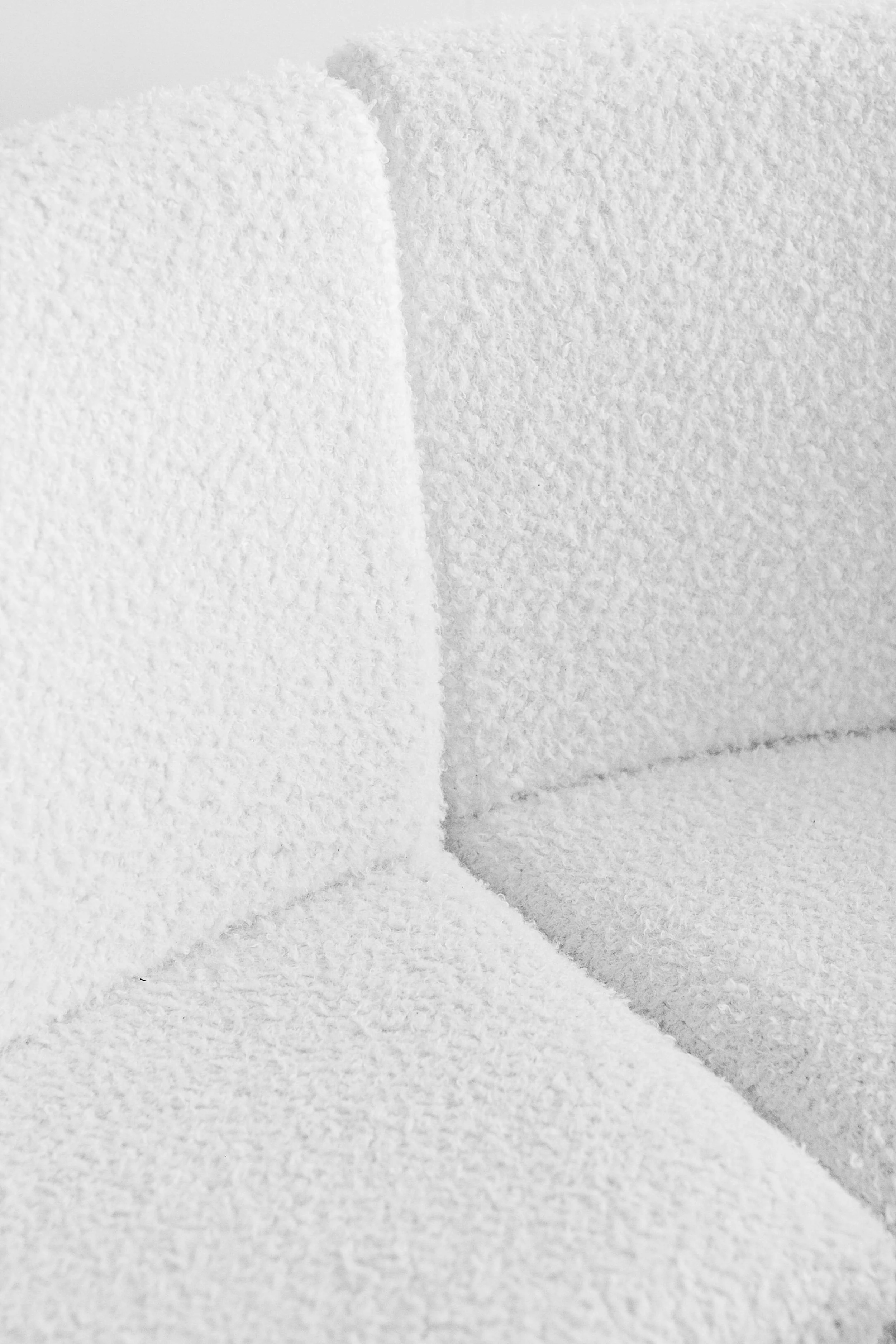
These continue to dominate upholstery and soft furnishings:
· Bouclé - nubby and plush, inviting touch
· Heavy woven linen - natural, crisp yet soft
· Wool and wool blends - warm, sound-softening, and sustainable
· Chenille and soft velvets - for added depth and comfort
These materials don’t just look good. They improve room acoustics and create an emotional invitation to touch.
2. Raw & Organic Materials with Regenerative Thinking
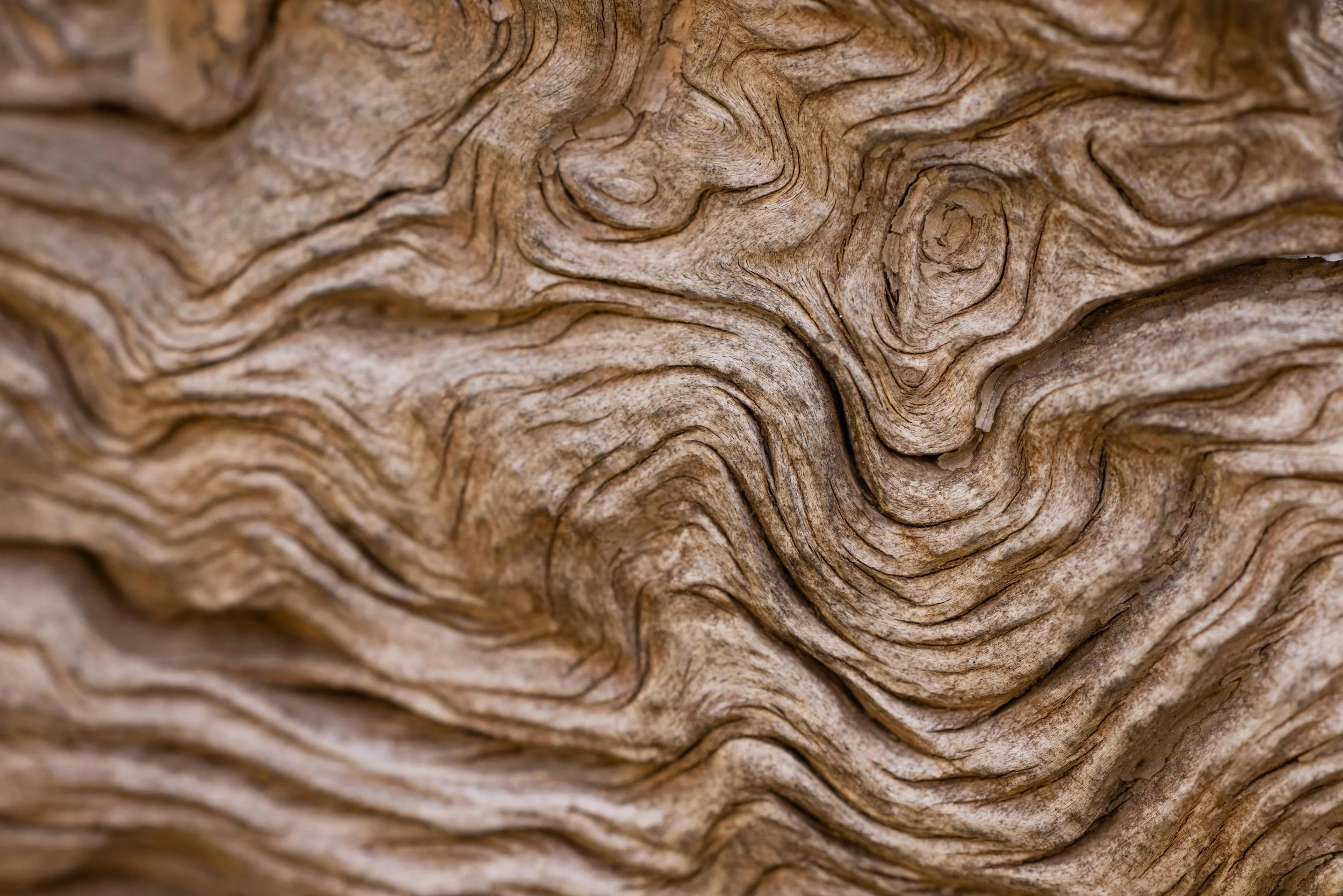
Natural woods (walnut, oak, cedar), stone, raw ceramics, soft plaster, rattan, and cork bring organic warmth. Many brands are also embracing a broader regenerative mindset, viewing materials as part of a continuous circular system. These principles are already familiar in the consumer goods space.
3. Matte-to-Gloss Play & Visual Depth - Including Texturized Glass
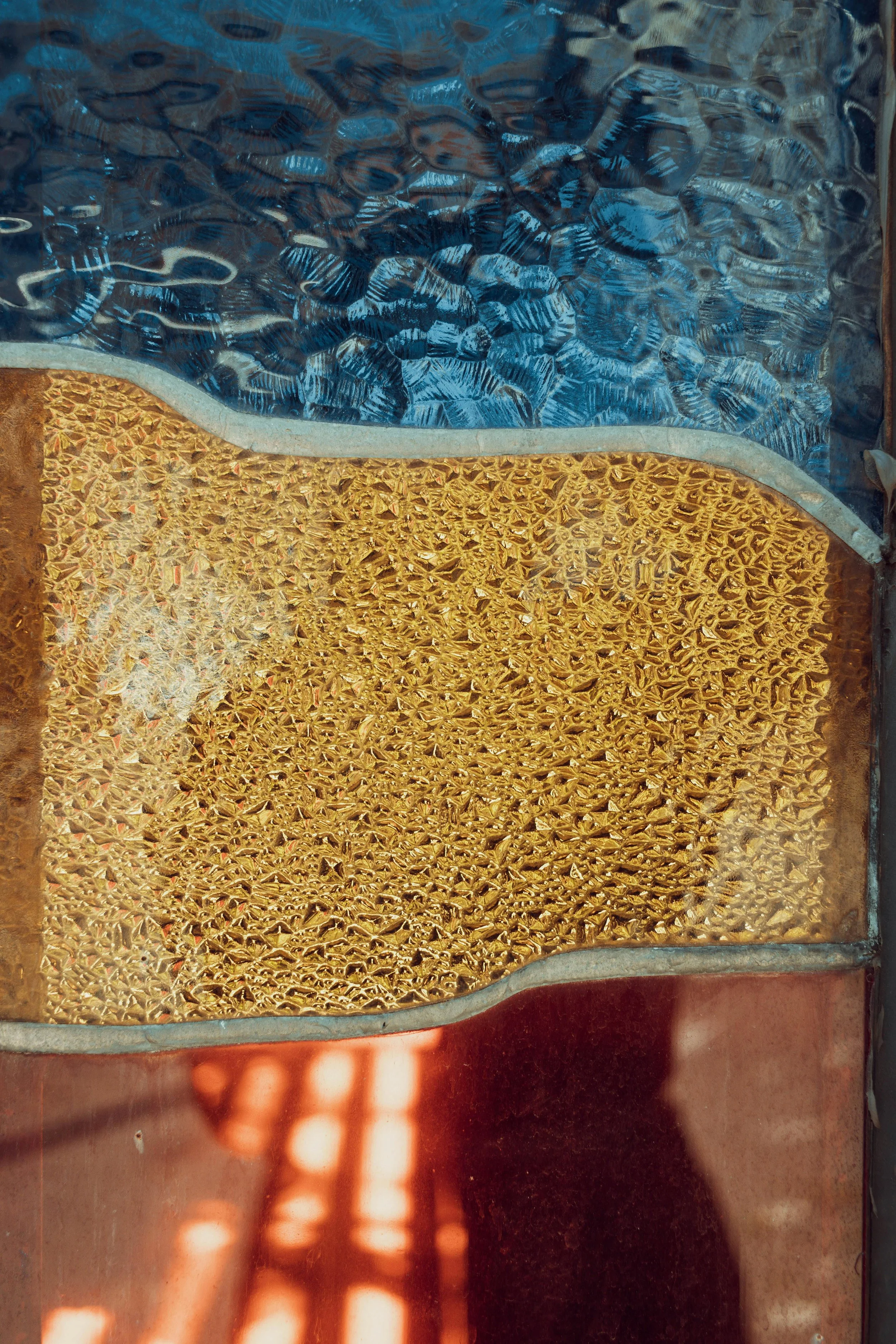
Contrasting finishes create richness and dynamic light play. A standout trend from Milan Design Week 2026 was texturized glass - poetic, playful, and often enhanced with color. It offers “soft strength”: delicate yet functional, highly recyclable, and excellent at balancing light transmission with privacy. This material opens exciting hybrid possibilities between consumer products and furniture.
4. Sound-Softening & Inclusive Wellness Elements
Plush surfaces, curved forms, and upholstered elements help reduce noise and create calmer environments. Inclusive sensory design is also gaining traction - using texture variations, pronounced seams, and haptic cues as tactile wayfinding tools for greater accessibility. These thoughtful details benefit both residential and commercial markets.
These trends align strongly with broader 2026 directions: sustainability, emotional connection, authenticity, and a return to craftsmanship.
Why This Matters
Small-to-medium manufacturers - whether producing consumer goods, home accessories, or furniture collections - have a real opportunity here. Sensory CMF strategies allow you to differentiate your products without massive retooling. Thoughtful material and finish choices can:
· Justify premium pricing through higher perceived quality and emotional appeal
· Strengthen sustainability storytelling with materials that age gracefully
· Create a distinctive brand identity through signature tactile experiences.
Make your products and collections more tactile, comforting, and memorable.
Contact us and create with On Point Design.